‘Mental – Bad Behaviour, Ugly Truths and the Beautiful Game’ by Jermaine Pennant with John Cross (2018)

I remember Pennant as the much hyped teenager who was signed by Arsenal for £2million at 15 but never lived up to his potential. This was largely due to his off-field behaviour that included a spell in prison. He feels like a cross between Theo Walcott and Ravel Morrison.

He ultimately had a journeyman career that included a Champions League final for Liverpool and stops at Stoke, Birmingham and Real Zaragoza among other, but never played more than 60 league games for any one club.

Mental opens with a detailed description of Pennant’s turbulent childhood – born to a mother who faked her own death to abandon her ‘black baby’ and a father who kept guns and Class A drugs in the house.   This context is vital as Pennant can only be judged through the lens of what he lived through and it puts much of his bad behavior in context.  It’s easy to criticise him for not making the most of his undoubted talent when its arguable he deserves praise for making anything of himself at all given where he came from.

Notwithstanding this, its very hard to read constant references to his driving offences (driving while banned and drink driving) without getting increasing annoyed at his reckless attitude that clearly posed a risk to others.  It’s one thing risking your own career, it’s another putting innocent lives at risk and it’s not clear from this book that Pennant can fully tell the difference.

His account of his move from Notts County to Arsenal at 15 is a damning indictment of how kids are exploited in football and particularly damning of Sam Allardyce and his pal and agent Mark Curtis (who arranged the meeting that ultimately got Allardyce fired from his England gig).  Pennant is full of regret that he was moved against his will and ultimately denied the chance to develop outside of the intense media spotlight.

The book is peppered with extracts from others who are or have been close to Pennant – his dad,  his agent, his friends which give anther, and at times contradictory, view of instances that Pennant describes.  It works well and at times appears to give a truer reflection of the player than his own words.  There is a fair bit of repetition and the style of repeating points in the same paragraph can get a bit annoying – but it seems to be a stylistic choice from the ghostwriter, presumably to try and capture Pennant’s own voice/style of communicating. It’s gets very frustrating though and a good edit should have sorted that out.
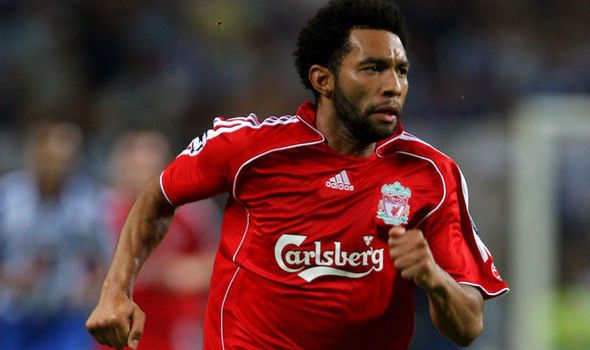
pennant

There is actually very little football in the book – a few big games mentioned but no discussion on where the clubs he played for finished most seasons which is slightly unusual for a footballer’s autobiography.  But given stories of finishing 5th or 15th in the league aren’t the most interesting its probably a good idea.

A lot more coverage is included of nights out and one night stands.  Some stories are interesting insights into his attitude and behaviour – being drunk/hungover when he scored a hattrick early in his Southampton career – and others are ‘lad banter’ – threesomes with Ashley Cole, comparing women to monopoly properties – which will definitely add to the books sales while giving probably the most open account to date of what footballers get up to on nights out.  It’s hard to imagine Ashely Cole will be thrilled to see his own name come up so often.

The chapter on women is already getting heavily shared/criticised on social media – I’d suspect it was a key ingredient in getting a deal for the book in the first place though.  They don’t present a particularly flattering picture of Pennant. The final chapter of the book does put these stories in an interesting context – Pennant seeks therapy to understand why he cheats and flirts with so many women, ultimately tracing his behaviour back to being abandoned by his Mum.

Overall, Pennant seems to be relatively content with how his career went.  Given his talent, he could have matched his friend and contemporary Ashley Cole and achieved much more, but given his childhood he easily could have crashed out of the game and achieved nothing.  He achieved his boyhood dream of playing for Liverpool, played in a Champions League final and was pretty unlucky to never be capped by England.

And, remarkably, Pennant’s book conforms with ‘Howe’s law’ – the apparently unbreakable rule that any autobiography by a footballer who played in Britain in the last 40 years has to, at some point, mention how good the late Don Howe was as a coach.  It’s definitely the only thing this book and Frankly Speaking by Frank Stapleton (1991) have in common!

Overall, it feels like the story the book wanted to tell – overcoming a troubled childhood to achieve pretty decent career – is totally overshadowed by the stories of excess, women and drink driving.

It’s a quick and easy read. If your looking for the scandalous stuff you’ve probably read it all before on social media. The more interesting story is the one of beating the odds.
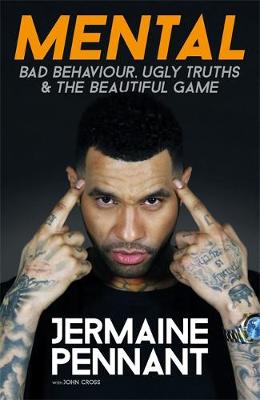
mental

‘The European Game: An Adventure to Explore Football on the Continent and its Methods for Success’ by Dan Fieldsend (2017)

The European Game is a journey behind the scenes of  how European football operates.  Fieldsend, formerly a staff member at Liverpool, spent three months travelling to the best and most famous football teams across Europe learning along the way about the club’s history, key figures, tactical developments, and place in their society.

It’s a book that celebrates the uniqueness and specialness of every football club which shifts between understanding why how clubs impact their environment and how environment’s shape their clubs.  It’s part exploration of what makes a club successful and part exploration of what makes a club magical.

The book can be dipped into chapter by chapter which each adventure heavily shaped by the people Fieldsend was able to meet and interview.  Overall, the cast of characters is suitably diverse and interesting to ensure that the book avoids repetition.   Some chapters have a heavy travelogue feel as Fieldsend connects with the people and the place as much as the football club.  At times the book suffers from a slight identity crisis as it shifts between very different types of stories.

It merits some comparison’s to the peerless Inverting the Pyramid or the excellent Football Against Enemy – a very different book from those but one that contains a similar desire to understand football at a deeper level.

It is clear the book is a real labour of love.  While some of the chapters contain fairly familiar material, overall it me feeling I understood more about some of the major European clubs and kept me entertained and engaged throughout.  Some tighter editing of slightly flowery prose wouldn’t have gone a miss – but I can’t begrudge the author attempting to show a bit of literary flair at times.

Overall, highly recommended for those who haven’t devoured countless books on European football while still worth a read for those among us who like to reread Inverting the Pyramid every summer!

‘Red: My Autobiography’ by Gary Neville (2011)

Red is the story of Gary Neville’s long and distinguished career for Manchester United and his less distinguished England career.  It’s a reasonably enjoyable quick read that will be particularly enjoyed by United fans.

red

Neville appears to be a man defined by his passion for Manchester United. I’m sure he likes his family, but you would barely know his wife and kids exist. While you appreciate he wants his privacy, you’d expect getting married and having kids to impact your view of the game and your career enough to merit more of a mention.

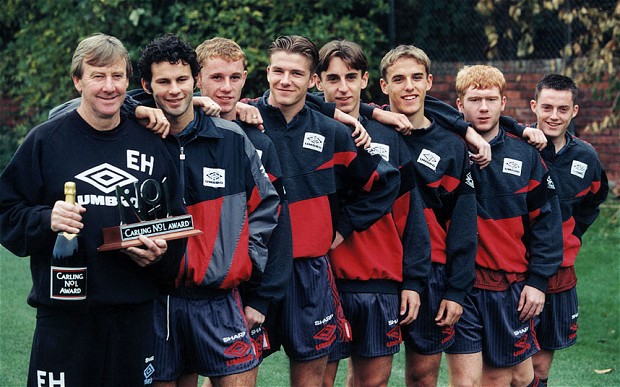
The famous Class of ’92 is covered in a fair bit of detail.  It was a remarkable generation of players to come through the ranks at Man Utd at the same time but something about the fact they have developed their own brand annoys me no end.  This part of the book works well as a lesson in the importance of commitment and level of dedication needed to make it to the top.

His time at Man Utd is the main topic of the book, but at times it feels like a repetition of what happened combined with repeated references to how great Sir Alex Ferguson is.  There are some good insights into some of the most interesting Man Utd personalities, but nearly not enough of these.

He covers his England career with a chapter about the reign on each of the mangers he played for.  It’s clear he really rated Venables, felt Keegan and Hoddle were out of their depth and had a lot of time for Sven before it started to fall apart. The England material is definitely the best part of the book.  Neville opens up about his dislike of playing for England and gives an honest assessment that it meant a lot less to him than Utd.

Overall the book feels honest without ever being particularly controversial.  It’s an interesting read for anyone who followed English football during Neville’s career and especially for Man Utd fans.

red 2

‘The Billionaires Club: The Unstoppable Rise of Football’s Super-rich Owners’ by James Montague (2017)

“The question is, at what point do we accept some culpability for humanising those who have played a role in dismantling the freedoms we hold dear, or even dismantling whole countries”

The Billionaires’ Club is an investigation into the new class of super rich owners who have snapped up many of the world’s biggest football clubs.  Rather than being about the football business, the book is about the business interests of those billionaires who have been using their vast resources to reshape global football.

Billionaire's

Montague digs deep into the business histories of a string of recognisable names questioning their motives for buying into football and at times our own culpability as football fans for ignoring their character and misdeeds.

Starting with Roman Abramovich at Chelsea, Montague examines the Russian and Ukrainian oligarchs who have used investments in football to increase their visibility and profile, largely as an insurance policy against the consequences if they lose favour of their political allies back home.  Possibly more troubling is the rising influence of Gazprom, the Russian natural gas giant, whose investments in football seem inextricably linked to the politics of the energy industry.

The book also covers the influx of owners in European football from the US, the Middle East and Asia.

The American owners are portrayed as arch capitalists who seek to make money and couldn’t care less about the fans or anyone else for that matter.  It says a lot that they appear less troubling than many of the other owners.  It was also interesting to see how much more liked Liverpool’s current owners were than Hicks and Gillett at a time when they are starting to make more and more noises for a European or

The Middle Eastern owners appear more troubling.  The phrase “reputation laundering” seems very apt to describe the intentions of much of the investment in European football.  Football clubs like Man City have become vehicles of foreign policy for members of Middle Eastern ruling families with questionable human rights records. Montague covers the abuses of migrant workers in some detail.  He highlights the personal stories of poor Bangladeshi’s and the horrific ordeals they face trying to earn enough money to send home to their families.

The Asian owners covered appear more like the Russians – buying major clubs to appease their own political masters and to increase their political visibility abroad.  The coverage of China’s changing relationship with football in the books really interesting – I had no idea the Chinese Premier’s passion for the game was directly responsible for the huge investment in the Chinese Super League.

I’ve been a huge fan of James Montague’s since I read his 2014 book Thirty-One Nil: The Amazing Story of World Cup Qualification.  It’s clear he is a very good writer with an intense curiosity about the world which informs is work.  The global nature of his writing makes him the ideal person to chronicle the global power shifts in football politics.  The Billionaires’ Club is a sobering examination of modern football and those who shape it, but its a riveting, insightful and brilliant read.

Putin infantino.jpg

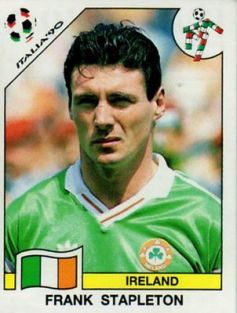
Frankly Speaking by Frank Stapleton (1991)

Published in 1991, Frankly Speaking is a (kind of) autobiography of former Arsenal, Man Utd and Ireland striker Frank Stapleton.

fankly-speaking

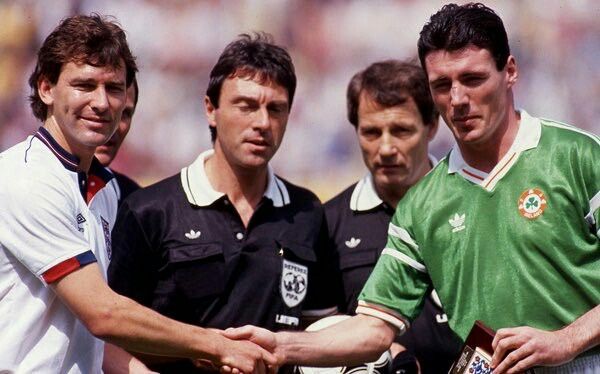
Stapleton seemed to be coming to end of his career when the book came out and his international career was over having been on the fringes of the squad during Italia ’90 having previously captained the team during Euro ’88.  He ended up playing four more years in the English lower leagues.

The book feels like half of an autobiography – it covers his football career with each season covered in a chapter and his club and international careers covered in separate halves of the book.  It’s focus is on entirely on Stapleton’s football career with almost no discussion of his life outside of football. The version of the book I found in the library has no summary on the front or back cover, no forward, no acknowledgements or any scene setter at all.  It just goes straight into his first few years at Arsenal.

One of the striking things is the amount of focus on the FA Cup over the team’s performance in the league.  This seems to be partly because the FA Cup still maintained its elevated status in the game and partly because Stapleton played in five Cup finals but never in a team that competed for the league title right to the end of the season.  The amount of replays in the cup is also striking.  You can see why penalties were eventually preferred to so many extra games.

frank 3

Stapleton rarely expresses his opinion on the various people he played or worked with outside of commenting on what they added to the team.  Ron Atkinson, his manager at United is the clear exception with Stapleton being pretty critical of Big Ron’s ego, love of the media, and lack of tactical nous.  His biggest praise is for coach Don Howe – a figure who seems to pop up in any biography of footballers who played in England in the 80’s and 90’s.

The material on Ireland was definitely the most interesting for me.  Stapleton gives a bit more background colour on the Euro ’88 and Italia ’90 campaigns and a decent sense of Jack Charlton’s management style.  I’d actually read all the most interesting bits before in the excellent ‘The Team That Jack Built’ by Paul Rowan (1994)

It’s a quick and easy read that has some interesting bits for any Arsenal, United or Ireland fan.  It feels like a book from a bygone era and was designed to be read at the time, when any reader would have known the main people mentioned. It’s also the first book I’ve reviewed that I couldn’t find on Goodreads (until I added it), giving some sense of how obscure it is at this stage!

Panini-Italia-90-Frank-Stapleton-Ireland

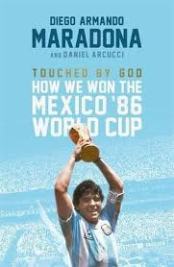
‘Touched By God: How We Won the Mexico 86 World Cup’ by Diego Maradona (2017)

You always assume books by footballers have ghostwriters.  While Daniel Arcucci is named on the book, I hope he was only a translator and that no one who calls themselves a writer put their name to this book.  Touched by God reads like a 3 or 4 hour long stream of Maradona’s consciousness as if someone asked him an open-ended question about the 1986 World Cup.

Maradona

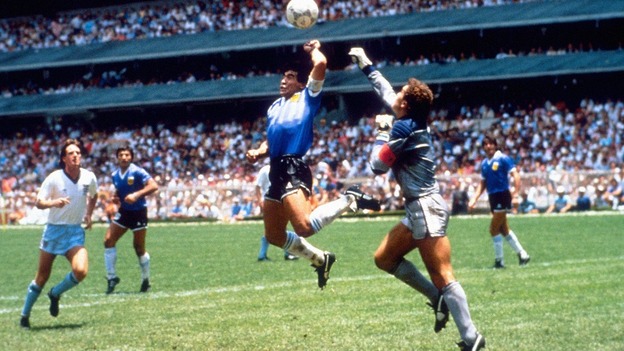
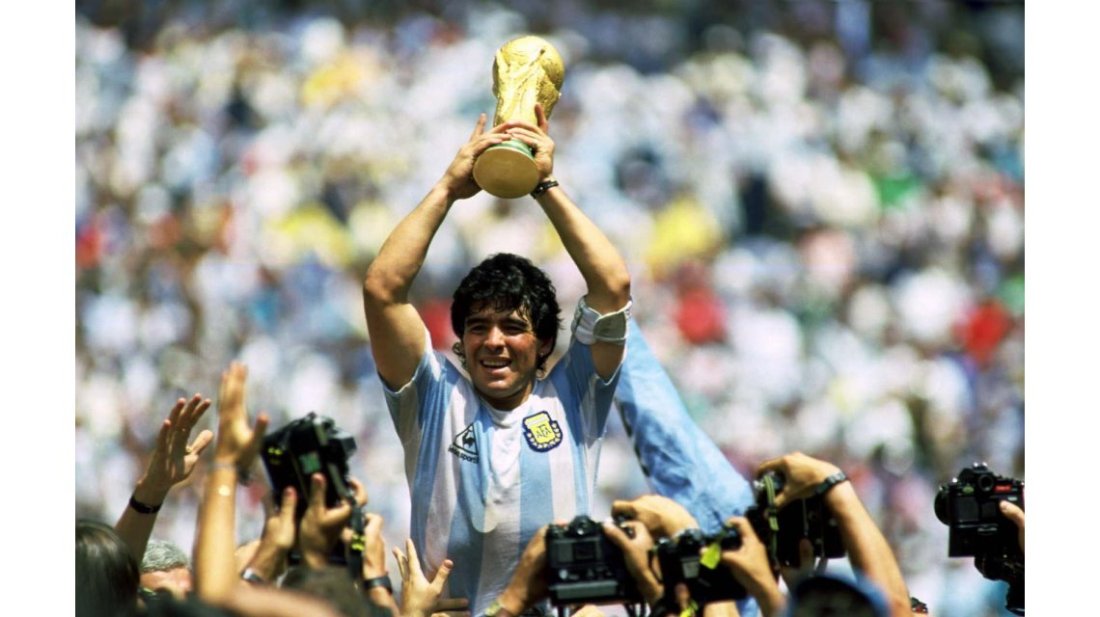
Maradona’s telling of this story is designed to big up his friends in the team and downplay the role of manager Carlos Bilardo who he fell out with when Bilardo criticised Maradona as Argentina manager in 2010.  Considering almost all football fans acknowledge Maradona won the cup largely single-handed, its amazing he sees the need to be so critical and dismissive of Bilardo.  Mardaona claims that the players, and himself, deserve almost all the credit for the team being well prepared and for their fitness levels by actively railing against Bilardo’s original plans.

Maradona’s personality certainly shines through – ego, craziness and an amazing ability to hold a grudge.  At times it feels like half the book is score settling with Bilardo and former captain Daniel Passeralla – with a little bit of spite left over for ‘that heartless turkey’ Platini. He has some kind words for certain teammates in particularly Brown and Ruggeri.

Probably the biggest flaw in the book is that it makes so many assumptions that you know who and what Maradona is talking about.  If you don’t already know a huge amount about Maradona, Argentina, the players of that era and the ’86 World Cup you will be totally and utterly lost for the first chunk of the book.

maradona 2

The book rambles around a lot at times covering random bits of Maradona’s life and a decent bit of detail about his time in Napoli where he was playing during the ’86 World Cup. He drops in complaints about Fifa, his love of Pope Francis and the bits of advice he gave Messi when he was Argentina manager.

There are interesting bits, some entertaining anecdotes and bits of genuine insight into the mindset of a great player as he faces the most important games of his life and plays at a level beyond compare.  However, the decent bits are totally drowned out by the terrible writing and rambling style.  You could read the section on the World Cup final and still have no idea what happened in the match bar Argentina winning, such is the rambling style.

Overall, I recommend giving this book a miss.  It’s almost as poor as his first memoir El Diego, poorly written, rambling and hard to read.  For a genuinely great book on Maradona, I’d recommend seeking out Hand of God by Jimmy Burns.

maradona3

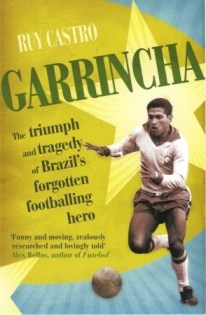
‘Garrincha: the triumph and tragedy of Brazilian’s forgotten footballing hero’ by Ruy Castro & translated by Andrew Downie (2004)

“The most amateur footballer professionial football ever produced”

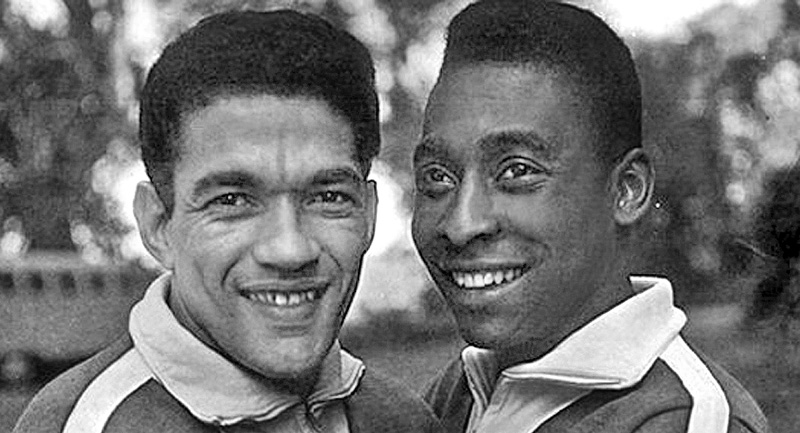
Garrincha was the epitome of the flawed sporting hero – the genius player whose personal demons led to an early death. Garrincha, the book, details his life from his childhood in Pau Grande through the length of his career and his eventual death from alcholism.  It captures his amazing talent, his playful charisma, his colourful personal life and his unique place in the hearts of Brazilian football fans.

Garrincha

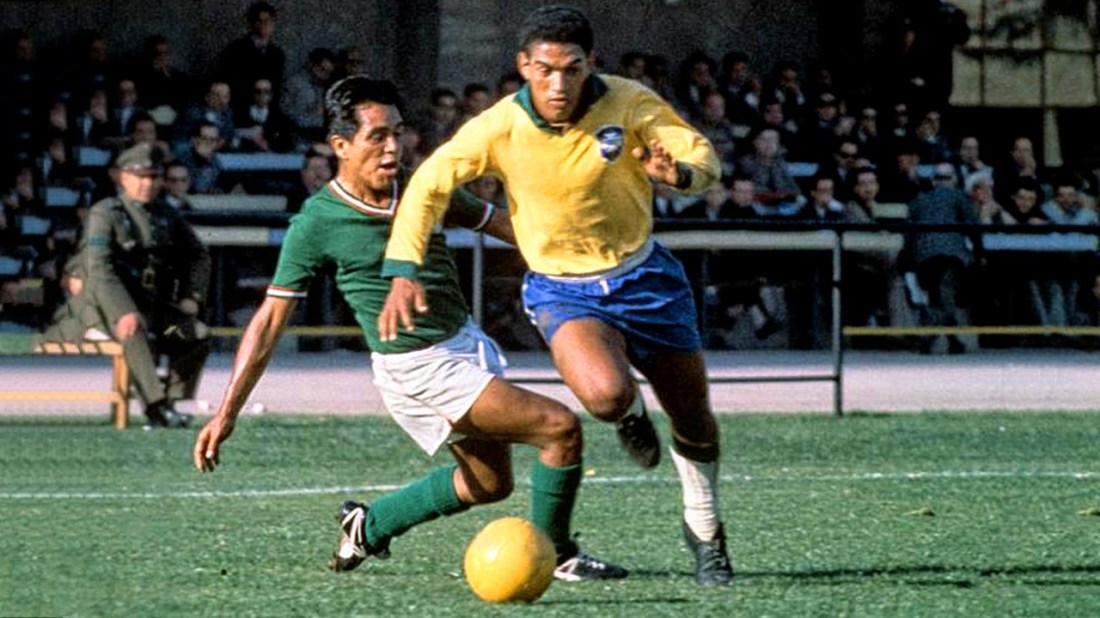
Born with crooked legs, he defied all expectations and became one of the most successful players in international football history, winning two World Cups and only once losing in a Brazilian shirt in 60 appearances.  Winning two world cups he became a cult legend in Brazil.

His life was incredible.  He lost his virginity to a goat, slept with hundreds of women and sired at least 14 children – his affair and subsequent marriage to the singer Elza Soares that caught the imagination of a nation and led to them both being vilified.  He was profligate with money, uninterested in football that he wasn’t playing in and totally incapable of being faithful.

By the age of forty-nine, Garrincha was dead, destroyed by the excesses that made him such a fascinating figure.  His downfall makes for depressing, but gripping reading.

z_p17-Garrincha

There is something that draws us to those genius sports stars who can’t conquer their demons and don’t get the change to live the post-retirement life they deserve.  Their flaws make them more relatable and more human. As an Irishman, you read the book feeling like its an alternate world story of George Best’s life or even how the great Paul McGrath’s life may have gone had he been born in Brazil.

Ruy Castro has written a thoroughly enjoyable and fascinating biography which is excellently translated by Andrew Downie.  It is a brilliant and detailed insight into a fascinating life of a genius player.  It is a comprehensive and worthy tribute to a footballer who had he played a few years later in the television era would be remembered as one of the all time greats.  The only downside for me was the lack of more detail on the social and cultural environment in which Garrincha lived – I feel I learned an incredible amount about Garrincha, but less than I expected about the Brazil of the 50’s and 60’s.

I first the read the book when the English translation came out in 2004 and I thoroughly enjoyed this reread.  I highly recommend it for any football fan and is a great companion book for watching Russia 2018.

garrincha 3

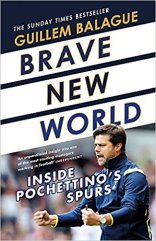
‘Brave New World: Inside Pochettino’s Spurs’ by Guillem Balague (2018)

Brave New World is an in-depth account of Tottenham Hotspurs’ 2016-17 season.  It’s a biography written in the first person and a diary that isn’t really a diary.

poch1

Balague was granted unprecedented access to Mauricio Pochettino and his backroom staff for the duration of the 2016-17 season.  He uses this insight to craft a biography of Pochettino that charts the remarkable transformation he has achieved in a very short time at Spurs.  Perennial bottlers who never live up to their potential, Spurs now are just a few steps (and winning trophies) away from truly belonging among the game’s elite.

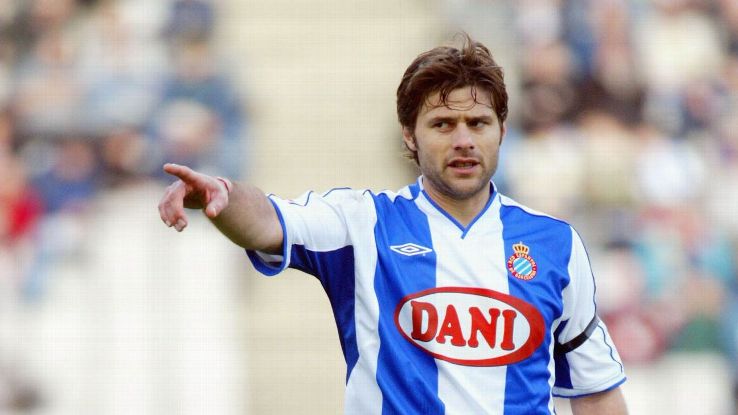
The book also serves as a wider biography of  Pochettino’s life – detailing his childhood, his career in Argentina, his special times at Espanyol and his move to the English south coast at Southampton.  It also discusses in detail his close and vital bond with his assistants who form a vital part of his success.

Pochettino comes across as a passionate, motivated and likeable character.  He can but ruthless but for footballing reasons rather than a personal grudge.  He is portrayed as being dedicated, at potential personal cost, to doing everything he can to be successful and to forge a Ferguson-like legacy at Spurs.

poch2

He is very well attuned to the psychological aspect of football – building incredibly close bonds with his players while still seemingly to keep an appropriate distance to enable him to judge their performance fairly. It’s clear that many of his players love him and see him as a vital part of their own ability to achieve greatness.

The book is a fantastic insight into a manager still very much on the up.  It’s a unique approach – putting words in Pochetttino’s own mouth creates great risk for him given he is writing about players still under his charge.  The prose and writing style felt like hard work at times – especially until I got used to it.  Balague is a very good writer however, so I’m inclined to believe that the style of prose was intentional to read more like Pochettino’s own voice.

Overall I would recommend Brave New World for anyone looking for an insight into one of English football’s most interesting coaches.

poch 3


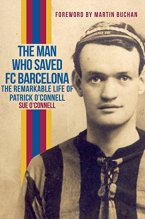
‘The Man Who Saved F.C. Barcelona: The Remarkable Life of Patrick O’Connell’ by Sue O’Connell (2016)

The Man Who Saved F.C. Barcelona is a very different book from what I was expecting.  It’s the story of a family far more than it is a football story.

Barca man

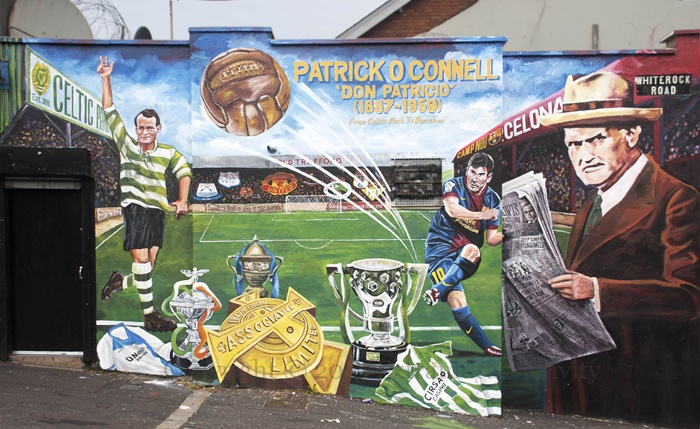
Patrick O’Connell was a forgotten figure of Irish football history until the sterling efforts of his family to ensure his legacy was remembered.   A former captain of Manchester United and Irish international, his achievements as a manager in Spain far surpass anything achieved by an Irish manager since then – he won La Liga with Real Betis, led Barcelona through the Spanish Civil War and the respect he was held in is speculated to be the reason why Spanish managers are today called “mister”.

His grandson’s wife, Sue O’Connell, has laboured to find the historical record of Patrick and his immediate family’s life.  The story is told largely through letters sent by Patrick, his second wife and his kids and diary entries of one of his daughters.  The rest of the story is filled in dialogue heavy prose which I found a bit mawkish and unnecessary – a more factual style of joining the dots would have worked better for me.

As O’Connell notes in the final paragraph of the book, “Patrick O’Connell was an outstanding sportsman, but as a husband and father he was a non-starter”.  The bulk of the book focuses on this later part – the wife and four kids he abandoned in Manchester.  No attempt is made to sugar-coat his behaviour.  In many ways is more a story of abandonment and emigration than a football book.  It also captures well the sense of time and place – in particular an outsider’s view of Spain and Barcelona during the Spanish Civil War.

His footballing legacy is not covered in the kind of detail I was expecting.  The saving of F.C. Barcelona involved the wise decision to bring the team to the America’s on tour and raise enough money to keep the team going.  However, after reading the book, I don’t know much more about just how he achieved success or how he contributed to the evolution of the game.

The book is a clear labour of love and I admire the efforts to promote O’Connell’s legacy while being honest about his failings as a man.  However, the book really wasn’t for me and isn’t one I would recommend for someone coming at as a sports book rather than a chronicle of the emigrant experience of an Irish family.

A documentary film about O’Connell’s life, Don Patricio, premiered in Dublin this week and I’m looking forward to checking it out.

oconnellmural

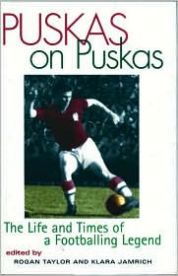
‘Puskas on Puskas: The Life and Times of a Footballing Legend’ edited by Rogan Taylor and Klara Jamrich (1997)

“Virtually his entire playing career – over twenty years – was spent not just at the top, but at the very top of his profession.  He never stepped down from that summit.  And whatever he touched in the footballing world turned to gold”. 

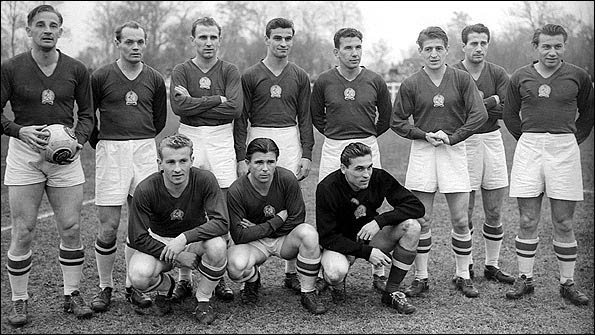
Ferenc Puskas sits alongside Alfredo di Stefano in being widely regarded as the best player in the pre-Pele football era.   His achievements were remarkable – as well as being a top player right up to his 40th birthday, he played in two of the most famous (non-World Cup) matches ever to take place on British soil, captained arguably the greatest international football team never to win a World Cup (Cruyff might have disagreed) and even coached Panathinaikos to the European Cup final. Add in 83 goals in 84 internationals, an Olympic gold medal and the fact that the FIFA Goal of the Season award is named after him, and you get some sense of his accomplishments. puskas 1

Puskas on Puskas is an oral history of Puskas’ career, told mainly in his own words.  Taylor and Jamrich supplement Puskas’ own memories with those of his contemporaries – players, coaches, administrators, and journalists.  These reflections are supplemented by the editors providing an overview of the times Puskas lived and played in.  It’s an interesting and informative approach to telling the story of Puskas, the Golden Squad and Hungary under Communist rule.

Puskas comes across as a lively, charming and determined figure. Away from football Puskas was a master smuggler, political rebel and not afraid to speak his mind. On the field he was not just a world-class player but also a charismatic leader, a committed team-mate and a tactical innovator.

Puskas starred in some of the most famous matches in history beginning with the England-Hungary 6-3 match of 1953 that is often (wrongly) portrayed as England’s first ever defeat on home soil (that honour goes to Ireland following a 2-0 win in 1949).  He also played in the controversial 1954 World Cup final (the so-called Miracle of Berne) where West Germany improbably inflicted the only defeat Hungary would suffer over a 6 year period with some help from the British ref and linesman.  If that wasn’t enough for one man, he scored 4 goals in the famous 1960 European Cup final in Glasgow, which saw Real Madrid beat Eintract Frankfurt 7-3 to win their 5th straight European Cup.

hungary

The book, brings to life not only the achievements of the players but also the tactical innovations of the Hungarian team and the challenges of the totalitarian regime that controlled the country.  Puskas recognised and exploited the power he had, certainly before the 1954 World Cup, in a team which the Communist authorities were eager to use to demonstrate the superiority of the “Socialist Man”

There a few hints that we don’t see every side of the man – certainly some of the British players interviewed suggest he may have had a wandering eye.  But the book doesn’t claim to be a comprehensive biography – rather is an oral history told mostly in the great man’s own words.

What makes the book a real treasure is the lack of other English language comprehensive books on Puskas – Taylor and Jamrich did a superb job in capturing the great man’s memories and using them to pull together an entertaining, informative book that is a fantastic read.

puskas-hung_59cs-8b5e-1347606340